

What does spinal health have to do with quality of life?
Spinal health affects far more than back comfort. The spine helps support the body, protect the spinal cord, coordinate movement, and provide a stable base for the muscles and joints used throughout the day. When the spine is functioning well, ordinary activities such as walking, sitting, sleeping, lifting, and turning may feel easier and require less effort.
Poor spinal health does not always begin with a major injury. It can develop gradually through prolonged sitting, repetitive work, limited physical activity, awkward sleeping positions, reduced muscle strength, or repeated strain. In Glen Cove, NY, residents may also notice seasonal influences, such as reduced outdoor activity during colder months or more time spent commuting, working indoors, and managing household tasks.
How can spinal problems affect daily activities?
Spinal discomfort can change how a person moves, even when the original problem seems minor. Someone with low back pain may avoid bending, walk more slowly, or use the arms to push up from a chair. Neck stiffness may make it difficult to check a blind spot while driving, look down at a device, or sleep comfortably.
Common effects include:
- Reduced mobility and flexibility
- Difficulty standing or sitting for long periods
- More fatigue during routine tasks
- Trouble lifting children, groceries, tools, or household items
- Changes in walking, balance, or posture
- Avoidance of exercise and recreational activities
- Interrupted sleep
These changes can create a cycle. Pain may lead to less movement, less movement may reduce strength and flexibility, and reduced physical capacity can make the spine more vulnerable to future strain.
Why does spinal health influence sleep and energy?
Pain, stiffness, and muscle tension can make it difficult to find a comfortable sleeping position. Some people wake when they roll over, while others experience morning stiffness after remaining in one posture for several hours. Poor sleep can then affect concentration, mood, reaction time, and physical recovery.
The relationship also works in reverse. Sleep loss can increase sensitivity to discomfort and make ordinary physical demands feel more difficult. A supportive sleep position, regular movement during the day, and a mattress and pillow arrangement that keeps the neck and spine in a comfortable alignment may help. There is no single ideal sleeping position for everyone, but prolonged twisting or unsupported positions often increase symptoms.
Persistent nighttime pain, pain that repeatedly wakes a person, or symptoms accompanied by weakness, numbness, fever, or unexplained weight loss deserve medical evaluation.
Can posture really affect spinal comfort?
Posture matters, but it is often misunderstood. There is no single perfect posture that must be maintained all day. The spine is designed to move, and staying in one position for too long can be uncomfortable even when that position looks “good.”
A healthier approach is to vary positions regularly:
- Keep both feet supported when sitting.
- Let the shoulders relax instead of holding them rigidly.
- Position screens near eye level when possible.
- Avoid bending the neck downward for long periods.
- Stand, walk, or gently move after extended sitting.
- Use the hips and knees when lifting rather than rounding only through the low back.
For people working from home or spending long hours at a desk, the arrangement of the chair, work surface, keyboard, and screen can affect how much strain accumulates in the neck, shoulders, and lower back. Short movement breaks are often more practical than trying to maintain one fixed posture for an entire workday.
What role does strength and mobility play?
A stable spine depends on coordinated support from the abdominal muscles, back muscles, hips, pelvis, and legs. Strength does not eliminate every risk of pain, but it can improve the body’s ability to manage lifting, walking, climbing stairs, and other everyday demands.
Mobility is also important. Limited movement in the hips or upper back may cause the lower back or neck to compensate. For example, tight hips can make bending and lifting feel more demanding, while restricted upper-back movement may increase strain around the neck and shoulders.
Useful forms of activity may include walking, swimming, controlled strengthening exercises, mobility work, and balance training. The right level depends on a person’s age, health history, symptoms, and current conditioning. Exercise should generally build gradually rather than begin with sudden, intense effort.
Are spinal changes always a sign of serious damage?
No. Imaging findings and symptoms do not always match. Disc wear, arthritis, mild curvature, or other age-related changes may appear in people who have little or no pain. Conversely, significant discomfort can occur without a dramatic finding on an image.
Pain can also be influenced by muscle tension, inflammation, sleep quality, stress, previous injury, activity levels, and general health. This does not make the pain imaginary. It means that spinal symptoms are often influenced by several factors at once.
A common misconception is that every episode of back or neck pain requires complete rest. Extended inactivity may increase stiffness and reduce conditioning. Unless a medical condition requires otherwise, comfortable, gradual movement is often preferable to remaining in bed for prolonged periods.
When should spinal symptoms be evaluated promptly?
Most mild strains improve with appropriate activity modification and time, but certain symptoms warrant prompt medical attention. These include:
- New or worsening weakness in an arm or leg
- Loss of bladder or bowel control
- Numbness in the groin or inner thighs
- Severe pain after a fall, collision, or other trauma
- Fever or signs of infection with spinal pain
- Unexplained weight loss or a history of cancer
- Pain that is severe, progressive, or unrelenting
Sudden neurological changes are especially important because they may indicate pressure or injury involving nerves. In those situations, urgent medical evaluation is more appropriate than relying on home care alone.
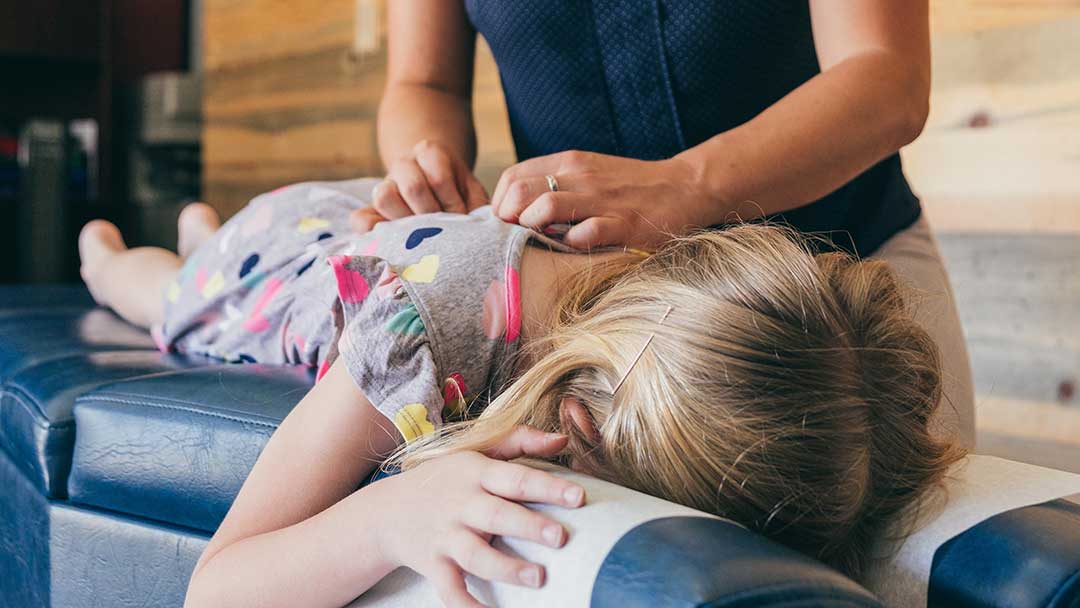
For recurring but non-emergency discomfort, a healthcare assessment can help identify contributing factors and determine whether self-care, exercise, physical rehabilitation, medication, or other approaches are appropriate. Chiropractic care may be considered as part of a broader plan for some musculoskeletal conditions, but treatment should be based on an individual evaluation rather than a one-size-fits-all approach.
How can local residents protect spinal health throughout the year?
Spinal care is usually most effective when it fits normal routines. In a coastal community with changing weather and a mix of older homes, apartments, offices, and active outdoor spaces, people may face different physical demands from season to season. Snow and rain can make walking surfaces less predictable, while colder periods may reduce activity and increase muscle stiffness.
Practical habits include:
- Warm up before vigorous yardwork, sports, or household projects.
- Use smaller loads when carrying bags, laundry, or storage items.
- Keep frequently used objects between waist and shoulder height.
- Avoid twisting while lifting.
- Wear stable footwear when surfaces are wet, icy, or uneven.
- Continue gentle movement during colder months.
- Increase exercise intensity gradually after periods of inactivity.
- Pay attention to recurring patterns instead of repeatedly pushing through the same pain.
Spinal health is closely connected to independence, sleep, movement, work capacity, and participation in family or community life. The goal is not to hold the body perfectly still or prevent every ache. It is to maintain enough strength, mobility, awareness, and support that the spine can meet everyday demands safely and comfortably.
