
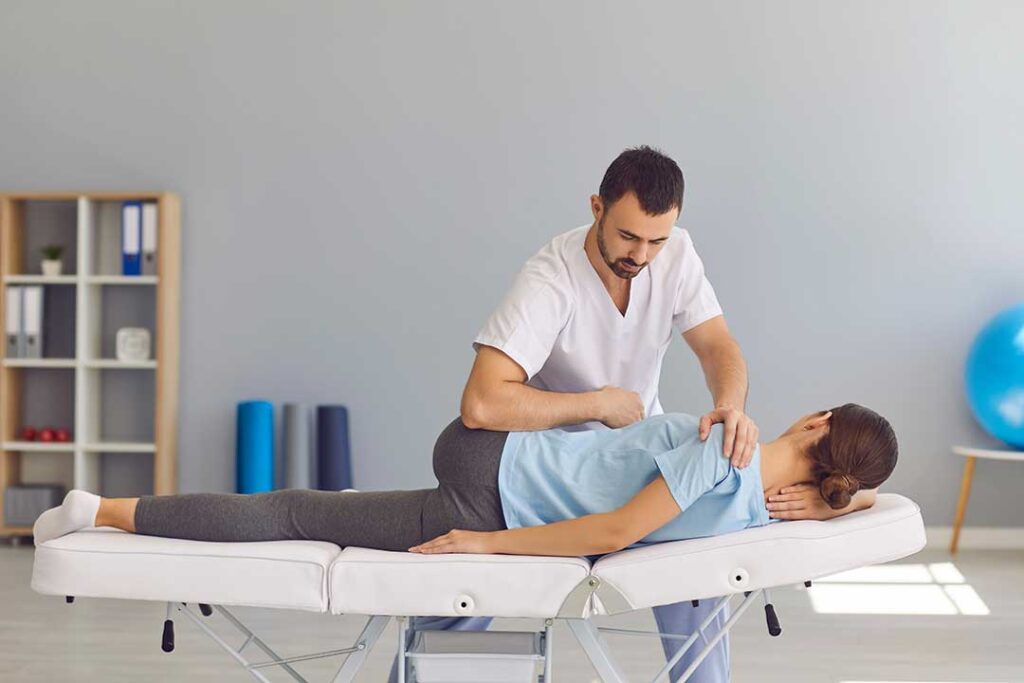
Living in Glen Cove, with its scenic waterfronts, bustling downtown, and active parks, encourages many residents to stay on their feet—whether strolling along Garvies Point, participating in community sports, or simply enjoying the local farmer’s market. Yet, persistent foot pain is a surprisingly common complaint. What many do not realize is that those nagging aches in your feet may have less to do with the shoes you wear and more to do with the alignment of your spine.
Understanding the Relationship Between Foot Pain and Spinal Health
The human body is a highly interconnected system. The feet serve as the foundation, supporting your weight and providing balance and mobility. But problems in this foundation can send shockwaves upward—affecting your ankles, knees, hips, and most importantly, your spine. At the same time, spinal issues can manifest as discomfort further down the kinetic chain, including the feet. This connection is especially relevant for people in Glen Cove who lead active lifestyles or spend significant time walking or standing.
How is foot pain linked to the spine?
- Foot pain can stem from poor alignment in the pelvis, hips, or lumbar spine.
- Spinal dysfunction—such as misaligned vertebrae or nerve impingements—often leads to altered posture and uneven weight distribution on the feet.
- Foot structure issues (like flat feet or high arches) can force compensatory patterns that stress the spine.
Common Causes of Foot Pain Related to Spinal Alignment
Here are several ways that your spine and feet interact to cause (or worsen) pain:
- Pinched Nerves in the Lower Back (Lumbar Spine): Conditions like sciatica can send shooting pain, tingling, or numbness down your legs and into your feet.
- Pelvic Tilt and Hip Misalignment: When your pelvis tips forward or backward, your gait changes. This altered movement pattern means your feet may strike the ground unevenly, leading to pain or plantar fasciitis.
- Leg Length Discrepancy: Even a small difference in leg length—often caused by unbalanced pelvic alignment—can cause you to favor one side, resulting in chronic foot discomfort.
Why Glen Cove Lifestyles Make This Relevant
Glen Cove’s walkable neighborhoods and active community events encourage people of all ages to be on the move. However, if you have an undiagnosed spinal misalignment:
- Extended walks along Morgan Memorial Park’s trails can lead to unexpected lower limb fatigue or pain.
- Participating in local sports leagues could increase your risk of injury if foot and spinal issues aren't addressed.
- Older adults looking to maintain independence with regular strolls might find that persistent foot pain limits their activity, contributing to a sedentary lifestyle.
This highlights the importance of not only treating foot pain locally but also investigating the possibility of upstream causes in the spine.
Signs Your Foot Pain May Be Related to Spinal Alignment
If you continually experience foot or ankle pain that doesn’t improve with typical treatments (like new footwear, rest, or orthotics), it may be time to consider a spinal evaluation. Watch for these clues:
- Ongoing numbness or tingling in one or both feet
- Foot pain that only appears after standing or walking for some time
- A history of back pain, stiffness, or injury
- Noticeable posture changes or gait abnormalities, such as limping or dragging a foot
How Chiropractic Care Can Help
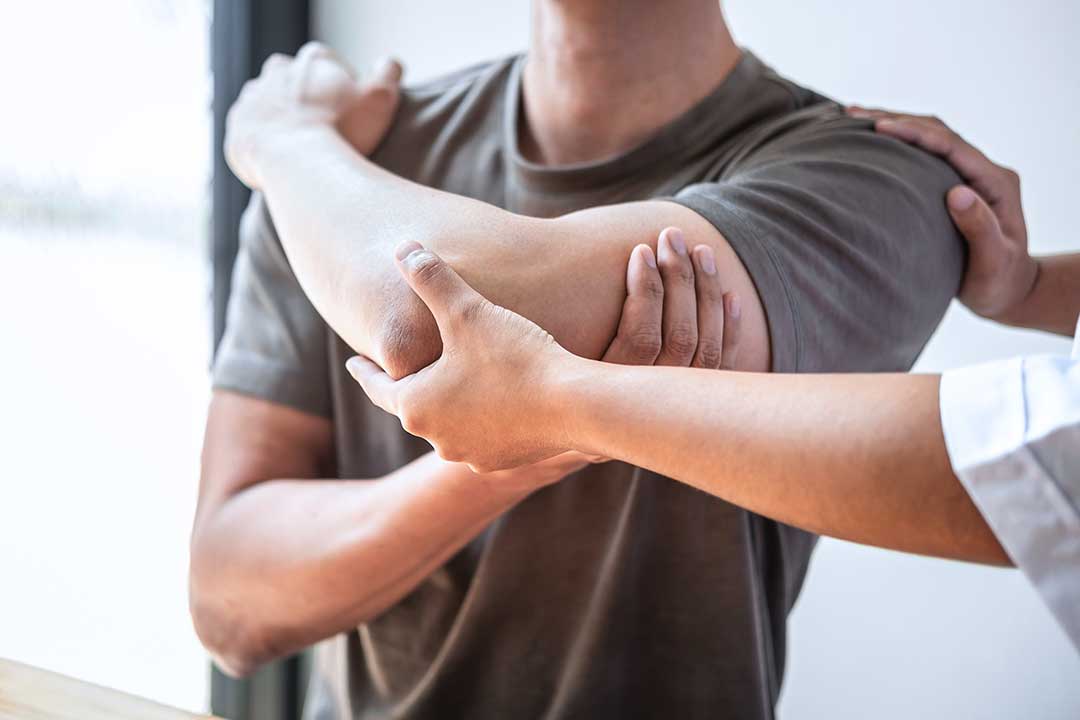
A chiropractor considers the whole body, not just the site of pain. In Glen Cove, experienced chiropractors use a comprehensive assessment that might include:
- Spinal Alignment Checks: Identifying any vertebral misalignments or joint dysfunctions that could be affecting nerve communication to the feet.
- Gait Analysis: Watching how you walk to find compensations that may be stressing your feet and spine.
- Postural Assessment: Looking at how you stand and move, both statically and dynamically, to find the root of your pain.
- Personalized Treatment Plans: Techniques such as spinal adjustments, soft tissue therapy, and therapeutic exercises to restore proper movement and relieve your pain.
Addressing both your spinal alignment and your foot biomechanics is often the missing link to lasting relief, especially for active residents craving more time enjoying the Glen Cove community.
At-Home Strategies for Residents
While professional care can resolve deeper alignment issues, there are practical steps you can take at home to support both your spine and your feet:
- Wear supportive shoes designed for your foot type—especially if you spend hours on Glen Cove’s hard city sidewalks.
- Stretch your calves, hamstrings, and lower back regularly to keep the kinetic chain flexible.
- Strengthen your core and hips, as these areas play a crucial role in maintaining proper alignment.
- Use ergonomic mats if you stand frequently in the kitchen or at work.
When to Seek Professional Help
If simple changes fail to relieve your discomfort, or if your pain is worsening, consult a chiropractor or healthcare provider in Glen Cove. Early intervention can prevent more serious issues down the road—helping you continue to enjoy the waterfront, parks, and all that makes Glen Cove special, pain-free.
Conclusion
Foot pain should never be ignored. For Glen Cove residents, understanding the connection between your feet and your spine could be the key to eliminating pain and improving your overall quality of life. Whether you’re enjoying a day at the beach, running errands downtown, or walking your dog along Glen Cove Avenue, every step should feel comfortable and strong. Invest in your whole-body health—and your feet (and spine) will thank you.
