
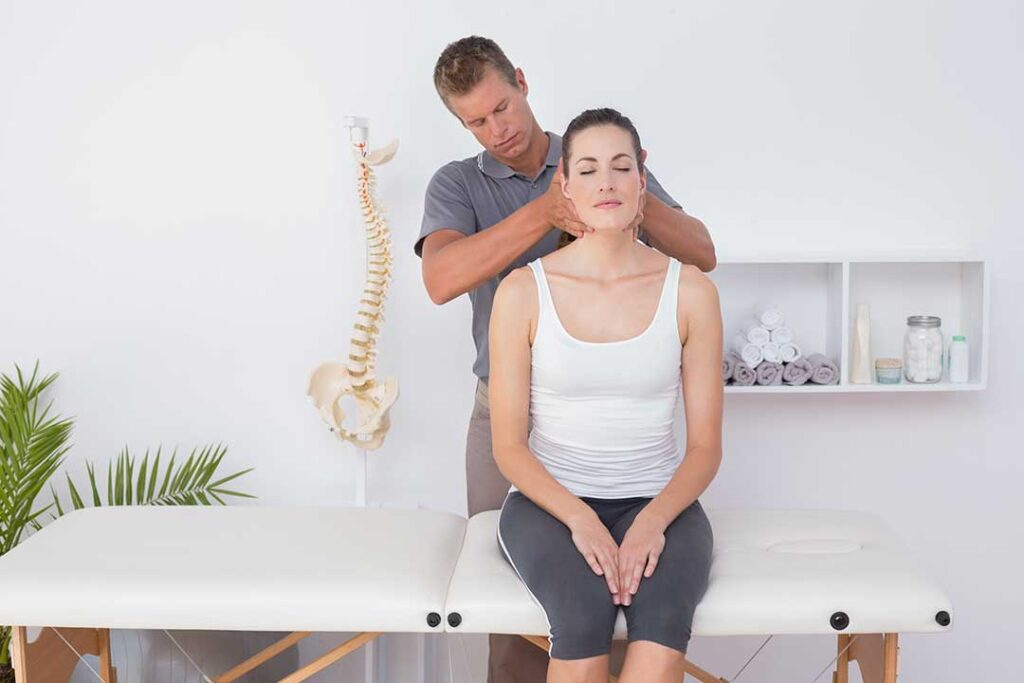
A minor back strain often follows lifting, bending, twisting, exercise, or an awkward movement. It usually causes localized soreness, stiffness, or pain that is worse with certain motions. For many residents, careful home treatment and gradual movement are reasonable first steps—provided there are no warning signs of a more serious problem. ([niams.nih.gov](https://www.niams.nih.gov/health-topics/back-pain/diagnosis-treatment-and-steps-to-take?utm_source=openai))
What counts as a minor back strain?
A strain involves an overstretched or irritated muscle or tendon. The discomfort is commonly limited to one area of the back and may improve when the aggravating movement stops. A sprain, by contrast, affects a ligament. It is not always possible to tell the difference at home, and back pain can also come from joints, discs, nerves, or conditions unrelated to the spine. ([niams.nih.gov](https://www.niams.nih.gov/health-topics/back-pain?utm_source=openai))
A minor strain is more likely when:
- Pain began after lifting, reaching, yard work, exercise, or an unusual movement.
- The discomfort stays mainly in the back rather than traveling down the leg.
- There is stiffness or muscle tenderness without significant numbness or weakness.
- Symptoms gradually begin to ease over several days.
Seasonal activities can contribute to these episodes. Shoveling, moving outdoor furniture, carrying storage containers, or doing household work in colder weather may place extra demand on muscles that are not used to repeated lifting or twisting.
Should you use ice or heat?
Both may help, but they serve different purposes. Cold can reduce pain and swelling during the first day or two after a sudden strain. Heat may be more soothing for muscle tightness, stiffness, or spasms after the initial irritation settles. ([niams.nih.gov](https://www.niams.nih.gov/health-topics/back-pain/diagnosis-treatment-and-steps-to-take?utm_source=openai))
Use either option safely:
- Wrap an ice pack or a bag of frozen food in a thin towel; do not place it directly on the skin.
- Apply cold for about 15 to 20 minutes at a time, with breaks between applications.
- Use a warm—not scalding—heating pad, shower, or compress for short periods.
- Avoid falling asleep with a heating pad in place.
- Stop if the skin becomes numb, painful, unusually red, or irritated.
There is no requirement to choose only one method. Some people prefer cold during the first 48 to 72 hours and heat later, while others find one option consistently more comfortable. The response of the symptoms is a useful guide.
Is bed rest helpful?
Extended bed rest usually is not. Staying in bed for a prolonged period can increase stiffness and weaken the muscles that support the back. Instead, reduce the specific activity that triggered the pain while continuing gentle movement as tolerated. ([medlineplus.gov](https://www.medlineplus.gov/ency/article/002119.htm?utm_source=openai))
For the first couple of days, this may mean:
- Taking shorter walks around the home.
- Changing position regularly instead of sitting for hours.
- Avoiding heavy lifting, repeated bending, and twisting.
- Using a comfortable chair with back support.
- Returning gradually to ordinary activities as symptoms improve.
A short, easy walk on level ground may be more helpful than remaining still. If walking, standing, or a particular movement clearly increases the pain, scale it back rather than forcing through it.
What sleeping positions may reduce discomfort?
Sleep should be comfortable rather than rigidly prescribed. People who sleep on their side may benefit from placing a pillow between the knees. Those who sleep on their back may feel less strain with a pillow beneath the knees. A small amount of support can reduce the pull on the lower back and make turning easier. ([niams.nih.gov](https://www.niams.nih.gov/health-topics/back-pain/diagnosis-treatment-and-steps-to-take?utm_source=openai))
Try to avoid sleeping positions that sharply increase pain or cause numbness. If getting out of bed hurts, roll onto one side first, use the arms to help sit up, and avoid twisting suddenly.
Can stretching help a strained back?
Gentle movement may help, but stretching should not be aggressive during the first stage of an injury. A mild stretch should not produce sharp pain, spreading leg pain, tingling, or worsening symptoms afterward. NHS guidance advises stopping exercises that make back pain worse. ([nhs.uk](https://www.nhs.uk/conditions/back-pain/?utm_source=openai))
Reasonable early options may include:
- Slow walking for a few minutes.
- Gentle pelvic or knee movements while lying comfortably.
- Light range-of-motion exercises that do not reproduce sharp pain.
- Gradual return to normal activity once basic movements become easier.
Avoid forceful toe-touching, deep twisting, heavy abdominal exercises, or intense yoga poses immediately after a strain. After symptoms settle, strengthening the muscles of the abdomen, hips, and back can help support movement, but a new exercise routine should be adjusted to the person’s symptoms and health history. ([niams.nih.gov](https://www.niams.nih.gov/health-topics/back-pain/diagnosis-treatment-and-steps-to-take?utm_source=openai))
Are over-the-counter pain relievers safe?
Some people use nonprescription pain relievers for short-term back pain, but suitability depends on age, medical conditions, allergies, pregnancy status, kidney or liver problems, stomach ulcers, blood-thinning medication, and other prescriptions. Follow the package directions and avoid taking more than the labeled amount. A pharmacist or medical clinician can help determine whether a particular medication is appropriate. ([niams.nih.gov](https://www.niams.nih.gov/health-topics/back-pain/diagnosis-treatment-and-steps-to-take?utm_source=openai))
Pain medicine should not be used to mask symptoms while continuing strenuous lifting or exercise. Relief should support comfortable movement, not encourage activities that aggravate the injury.
When should a back strain be evaluated?
Not every episode is a simple muscle strain. Prompt medical evaluation is appropriate for back pain accompanied by:
- New weakness, numbness, or tingling in a leg.
- Pain traveling below the knee.
- Loss of bladder or bowel control.
- Numbness around the groin or inner thighs.
- Fever, unexplained weight loss, or feeling generally ill.
- Severe pain after a fall, collision, or other significant injury.
- Trouble walking, maintaining balance, or finding any comfortable position.
- Pain that is severe, rapidly worsening, or repeatedly wakes you at night.
These symptoms can indicate nerve involvement, infection, fracture, or another condition requiring more than home care. ([niams.nih.gov](https://www.niams.nih.gov/health-topics/back-pain?utm_source=openai))
Even without warning signs, arrange an evaluation if pain is not improving after several weeks, prevents ordinary daily activities, or keeps returning. Most acute back pain improves within a few weeks, but persistent symptoms deserve a clearer assessment rather than repeated self-treatment. ([niams.nih.gov](https://www.niams.nih.gov/health-topics/back-pain/diagnosis-treatment-and-steps-to-take?utm_source=openai))
How can future strains be reduced?
Once the back is comfortable again, prevention usually involves building tolerance gradually rather than avoiding all activity. Warm up before exercise, strengthen regularly, and use the legs and hips when lifting. Keep objects close to the body, turn with the feet instead of twisting the trunk, and divide heavy household tasks into smaller loads. ([niams.nih.gov](https://www.niams.nih.gov/health-topics/back-pain/diagnosis-treatment-and-steps-to-take?utm_source=openai))
For area households, practical changes may include using a cart for bulky items, taking breaks during seasonal outdoor work, and avoiding a sudden weekend of heavy chores after weeks of inactivity. Frequent position changes during desk work or long drives can also reduce stiffness. These habits do not eliminate every back problem, but they can make sudden overload less likely.
