
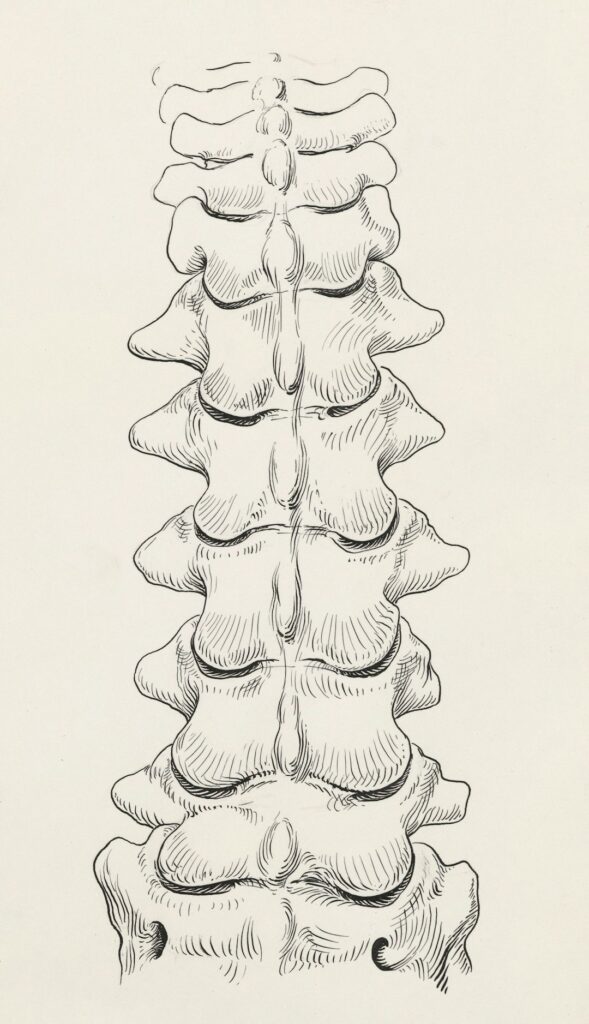
What is a spinal adjustment?
A spinal adjustment is a hands-on technique that applies a controlled force to one or more joints of the spine. The immediate goal is usually to improve movement and reduce discomfort, rather than to “put a bone back in place.”
The spine is made of individual vertebrae connected by joints, discs, ligaments, and muscles. These structures work together to support the body and allow bending, turning, walking, and other daily activities. Pain or stiffness can develop when movement becomes limited, muscles remain tense, or surrounding tissues become irritated.
During an adjustment, a trained practitioner may use a quick, precise movement or slower pressure. Techniques can be performed by hand or with a small instrument. The approach depends on the person’s symptoms, medical history, age, physical findings, and comfort level.
What happens inside the body?
The science behind spinal adjustments involves several overlapping effects on joints, muscles, and the nervous system.
A controlled movement may briefly increase the motion available at a spinal joint. This can reduce the feeling of stiffness and make certain movements easier. An adjustment may also stimulate sensory receptors in the joints and muscles. These receptors send information to the nervous system about pressure, movement, and position.
That sensory input may influence how the brain processes pain signals. This is one reason some people feel relief soon after treatment, even though the underlying tissues may not have changed structurally. The response can involve reduced muscle guarding, altered pain sensitivity, and improved confidence with movement.
The familiar popping sound is usually caused by a rapid change in pressure within joint fluid. It is not proof that a vertebra moved dramatically or that a joint was “out of place.” An adjustment can be effective without producing a sound.
Does an adjustment realign the spine?
Usually, the phrase “realign the spine” is an oversimplification. Most ordinary back and neck pain is not caused by a single bone being permanently displaced and then returned to its correct position.
Spinal adjustments are better understood as a method for influencing joint motion, muscle activity, and pain sensitivity. They may help a person move more comfortably, but they do not permanently correct every postural difference, disc change, or structural condition.
Long-term changes in strength, flexibility, coordination, or posture generally require active participation. Exercise, gradual return to normal activity, ergonomic changes, sleep habits, and treatment of an underlying medical condition may all matter more than a single adjustment.
What conditions may respond?
Evidence is strongest for some types of low back pain, particularly nonspecific pain that is not caused by a serious disease or major nerve compression. Spinal manipulation may provide modest improvements in pain and function for some people.
It may also help certain individuals with neck-related pain or headaches associated with the neck. Results vary, and an adjustment is not equally useful for every diagnosis.
An adjustment is not a universal treatment for:
- Fractures or dislocations
- Severe osteoporosis
- Spinal infection
- Cancer involving the spine
- Progressive nerve damage
- Serious inflammatory disease
- Major disc problems with worsening weakness
- Pain caused by internal organs or other non-musculoskeletal conditions
A careful evaluation is necessary before deciding whether manipulation is appropriate. Persistent pain should not automatically be assumed to be a simple joint problem.
Why does relief sometimes feel immediate?
Immediate improvement can occur because several short-term effects happen at once. Joint movement may feel less restricted, tight muscles may relax, and the nervous system may temporarily reduce the intensity of pain signals.
There can also be a behavioral effect. When a person learns that a movement is safe, fear and protective bracing may decrease. That can make walking, turning, lifting, or sitting feel easier.
Immediate relief does not always mean the source of pain has been permanently corrected. Symptoms may return if the contributing factors remain, such as prolonged sitting, repetitive lifting, inadequate recovery from exercise, or an untreated medical condition.
For residents of Glen Cove, seasonal routines may influence these patterns. Cold weather can encourage less outdoor activity, while home maintenance, commuting, recreational exercise, and lifting during household projects may place additional demands on the back and neck.
Are spinal adjustments safe?
For most appropriately screened adults, spinal manipulation is associated with temporary side effects rather than serious complications. Soreness, stiffness, fatigue, or a mild headache may occur and often improve within a day or two.

Serious problems are uncommon but can occur. Neck manipulation has been discussed in connection with rare blood-vessel injuries and stroke-like events. The relationship is difficult to study because people seeking care for neck pain may already have symptoms of a developing vascular problem.
Safety depends on screening, technique, and the area being treated. A person should share information about:
- Previous spinal surgery
- Osteoporosis or fragile bones
- Blood-clotting disorders
- Use of blood-thinning medication
- Cancer or infection
- Recent injury
- Numbness, tingling, or weakness
- Severe or unusual headaches
- Dizziness, fainting, or vision changes
Sudden weakness, loss of coordination, difficulty speaking, loss of bladder or bowel control, or numbness in the groin area requires urgent medical evaluation rather than routine manipulation.
Is a cracking sound necessary?
No. The sound is not the treatment itself. Some techniques create a pop, while others use gentle mobilization, stretching, positioning, or instrument-assisted pressure without an audible release.
A person should not be pressured to receive a forceful technique or to have the neck repeatedly “cracked.” Treatment should be adjusted when discomfort, fear, or new symptoms occur. A quieter method may be more appropriate for some people.
How should spinal adjustments fit into care?
Spinal manipulation is generally most useful as one part of a broader plan. For recurring back or neck pain, active strategies often include walking, strengthening, mobility exercises, pacing, and gradual exposure to normal activities.
The goal should be improved function, not dependence on repeated passive treatment. A reasonable plan includes periodic reassessment of whether pain, movement, sleep, work tolerance, or daily activities are improving.
People with complex medical histories may need coordination with a physician, physical therapist, or other qualified health professional. Chiropractic care should not delay evaluation of unexplained weight loss, fever, severe night pain, major trauma, or progressive neurological symptoms.
The central scientific view is straightforward: spinal adjustments can influence joint movement and the nervous system, and they may provide short-term relief for selected musculoskeletal conditions. They are not a cure-all, and their value depends on accurate assessment, appropriate technique, realistic expectations, and attention to the wider causes of pain.
