
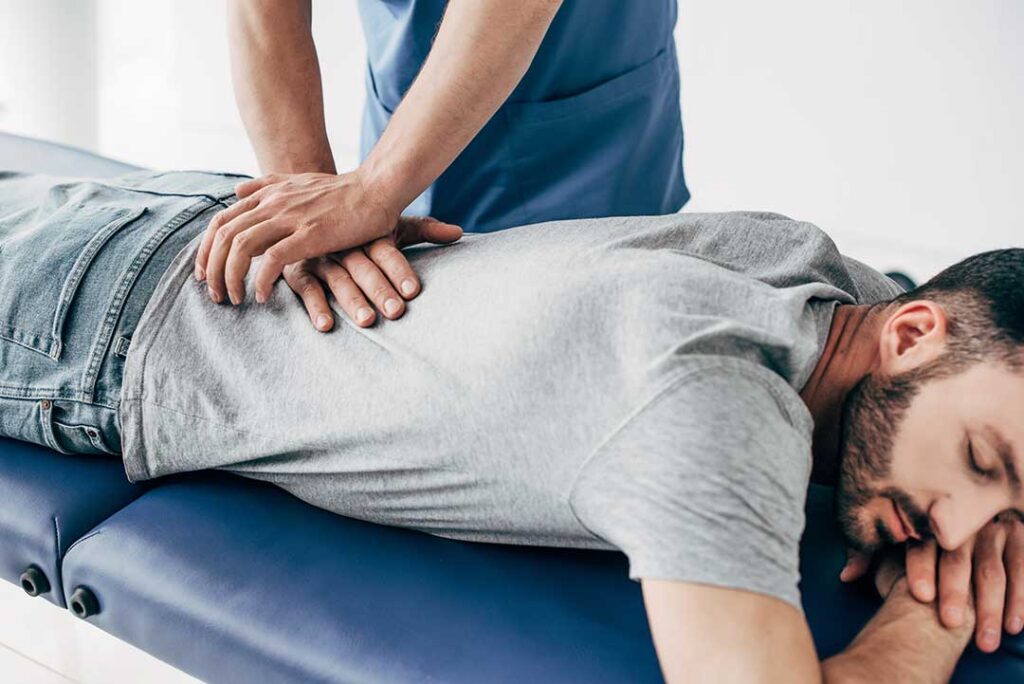
Muscle pain can feel like a deep ache, tight band, cramp, or small “knot” that hurts when pressed. In Glen Cove, NY, residents may notice these symptoms after prolonged desk work, household projects, commuting, exercise, gardening, or spending more time indoors during colder months.
A trigger point is one possible source of muscle pain, but not every tender spot is a trigger point. Understanding the difference can make it easier to choose sensible self-care and recognize when symptoms need medical evaluation.
What is a trigger point?
A trigger point is a sensitive area within a muscle or the surrounding fascia, the connective tissue that supports muscles. Pressing on it may cause pain at that exact spot or produce “referred pain” somewhere else along the muscle. For example, a tense muscle in the upper shoulder may contribute to discomfort felt near the neck or head. ([my.clevelandclinic.org](https://my.clevelandclinic.org/health/diseases/12054-myofascial-pain-syndrome?utm_source=openai))
People often describe trigger points as:
- A small knot or firm band in the muscle
- A deep, aching, or burning sensation
- Pain that worsens with pressure or certain movements
- Stiffness or reduced range of motion
- Tenderness that returns after activity or prolonged positioning
A trigger point is not the same as a muscle cramp. A cramp is usually a sudden, involuntary tightening that may release within seconds or minutes. Trigger-point discomfort is more likely to persist, recur, or refer pain to another area.
Why do trigger points develop?
Trigger points may appear when a muscle is repeatedly overloaded or held in one position for too long. Common contributors include muscle strain, repetitive motion, inadequate recovery, stress-related tension, and changes in activity level.
Examples include:
- Carrying groceries, tools, or children repeatedly on one side
- Looking down at a phone or laptop for extended periods
- Returning to exercise after a long break
- Sleeping in an awkward position
- Reaching, lifting, or twisting during home maintenance
- Guarding an area after an injury
Seasonal routines can also influence symptoms. Cold weather may encourage less movement, while spring and summer activities such as yard work, walking, cycling, or recreational sports can increase workload quickly. The issue is often not one unusual movement but a sudden increase in how much a muscle is asked to do.
Stress can contribute as well. The nervous system may keep the jaw, neck, shoulders, or back partially tense without a person noticing. That sustained contraction can make ordinary movements feel uncomfortable.
How is trigger-point pain different from other muscle pain?
Trigger-point pain is usually localized to a muscle and may be reproduced by pressing on a particular tender area. However, several other conditions can cause similar symptoms.
A strain involves overstretching or tearing muscle fibers and often follows a specific incident or sudden increase in exertion. It may cause pain with movement, swelling, bruising, or weakness. General muscle aches can also result from infections, medication effects, electrolyte changes, inflammatory conditions, or widespread pain disorders. ([medlineplus.gov](https://medlineplus.gov/ency/article/003178.htm?utm_source=openai))
Nerve-related pain may feel sharp, electric, burning, numb, or tingling. It can travel along an arm or leg and may be accompanied by weakness. Joint problems can cause pain with movement, swelling, clicking, or a feeling of instability.
This is why a painful “knot” should not automatically be assumed to explain every symptom. Pain that spreads, causes neurological changes, or appears with systemic symptoms deserves a broader assessment.
Can a trigger point be treated at home?
Mild muscle soreness that follows overuse often improves with relative rest and gradual movement. Relative rest means reducing the activity that aggravates symptoms without remaining completely inactive.
Helpful measures may include:
- Gentle range-of-motion exercises that do not sharply increase pain
- Short walks or other low-intensity movement
- Heat for stiffness or muscle tightness
- Ice during the first 24 to 72 hours after a new injury if swelling or acute soreness is present
- Adjusting a workstation, driving position, or sleeping posture
- Taking movement breaks at least once every hour during long periods of sitting

Light self-massage with a hand, tennis ball, or foam roller may feel helpful, but pressure should remain tolerable. Forceful or prolonged pressure can irritate a recently injured muscle. Stretching should feel mild rather than sharp, and bouncing stretches are best avoided.
Over-the-counter pain medicines may help some adults, but they are not appropriate for everyone. A pharmacist or medical clinician can help assess possible interactions, kidney or liver concerns, stomach-ulcer history, blood pressure issues, pregnancy, and other factors.
Does pressing harder release a trigger point?
Not necessarily. A trigger point is not a piece of tissue that must be “broken up.” Strong pressure may temporarily change how the nervous system perceives pain, but it can also increase soreness or aggravate an injury.
A safer approach is gradual:
1. Identify the tender area without repeatedly poking it.
2. Apply gentle pressure for a short period.
3. Stop if pain becomes sharp, radiating, numb, or substantially worse.
4. Follow with comfortable movement rather than aggressive stretching.
5. Reassess the area over the next day.
Persistent or recurring symptoms may require an examination to determine whether the problem involves muscle, joint, nerve, tendon, or another source. Treatment approaches can include exercise-based rehabilitation, mobility work, manual techniques, and education about activity and posture. Some medical settings also use dry needling or trigger-point injections, but these are not appropriate for every person and carry their own considerations. ([my.clevelandclinic.org](https://my.clevelandclinic.org/health/treatments/24011-myofascial-release-therapy?utm_source=openai))
When should muscle pain be checked?
Muscle pain should be medically evaluated when it is severe, unexplained, repeatedly returning, or not improving after several days of reasonable self-care. Evaluation is also appropriate when there is significant swelling, redness, bruising, progressive weakness, restricted movement, or pain that began after a substantial injury.
Additional warning signs include:
- Fever, rash, or signs of infection
- A recent tick bite with new muscle or joint symptoms
- Numbness, tingling, or loss of coordination
- Difficulty using an arm or leg
- Muscle pain after starting or changing a medication
- Dark urine, marked weakness, or very severe pain after strenuous exertion
Emergency care is warranted for sudden inability to move a body part, severe shortness of breath, difficulty swallowing, chest pain, a very stiff neck with high fever, or rapidly worsening weakness. MedlinePlus also advises urgent attention for severe unexplained symptoms and certain signs of muscle breakdown or systemic illness. ([medlineplus.gov](https://medlineplus.gov/ency/article/003178.htm?utm_source=openai))
How can recurring trigger points be prevented?
Prevention usually depends less on avoiding movement and more on building tolerance gradually. Increase exercise, yard work, lifting, or recreational activity in manageable steps. Warm up before demanding activity, vary positions during the day, and include strengthening rather than relying only on stretching.
For residents managing work, commuting, household responsibilities, and seasonal outdoor tasks, a practical strategy is to divide demanding projects into shorter sessions. Alternate hands when possible, keep loads close to the body, use stable footing, and take brief movement breaks before fatigue causes posture to deteriorate.
A recurring tender spot is a useful signal, but it is not a diagnosis by itself. The pattern of pain, associated symptoms, activity history, and response to movement all help determine whether the problem is a simple muscle overload or something that needs further evaluation.
