

What Is the Graston Technique?
The Graston Technique is a specialized manual therapy tool used by some chiropractors to help address soft tissue injuries and pain. It involves using metal instruments to gently glide over the skin, allowing a practitioner to identify and treat areas of muscle tightness, scar tissue, or restriction. This method is different from traditional hands-only chiropractic adjustments, as it targets connective tissue directly.
How Does the Graston Technique Work?
The Graston Technique starts with the practitioner applying stainless steel tools to the affected area, using a specific pattern of strokes. The tools help detect “gritty” or “rough” spots beneath the skin, which can indicate tissue adhesions, scarring, or inflammation. By applying controlled pressure, the technique aims to:
- Break up adhesions and scar tissue
- Stimulate blood flow and healing response
- Reduce pain and increase range of motion
Sessions are often brief, and the technique is frequently combined with other forms of manual therapy or home exercises.
What Conditions Might Benefit From This Technique?
The Graston Technique is most often used for stubborn musculoskeletal problems that have not fully resolved with rest, stretching, or other conservative approaches. Some of the issues commonly addressed include:
- Tendonitis (such as tennis elbow or Achilles tendonitis)
- Plantar fasciitis (foot pain)
- Carpal tunnel syndrome
- Shoulder impingement or stiffness
- Post-surgical scarring
- Chronic muscle knots and tightness
Local residents in Glen Cove might encounter these conditions through sports, repetitive work motions, gardening, or even shoveling snow during colder months.
Is the Graston Technique Safe?
For most people, the Graston Technique is considered safe when performed by a properly trained professional. Some mild discomfort is normal, especially if adhesions or scar tissues are present. Common after-effects include temporary redness or slight bruising at the treatment site.
People with certain health concerns (such as bleeding disorders, unhealed wounds, or specific skin conditions) should avoid this technique. Pregnant individuals or those with medical implants in the area should always check for appropriateness before proceeding.
What Can Residents Expect During a Session?
A typical Graston Technique session in the community will feel different from a standard massage or spinal adjustment. Here’s what most local residents can anticipate:
1. The practitioner examines the area and applies a small amount of lotion or lubricant.
2. Specialized metal tools are gently moved across the skin, with varying degrees of pressure.
3. Some regions may feel more sensitive, especially if there is scar tissue beneath the surface.
4. Treatment usually lasts a few minutes on each area before moving to mobility exercises or standard soft tissue massage.
Aftercare may include light stretches, applying ice, and avoiding strenuous activities for several hours. Many find the area feels less stiff within a day or two.
Are There Risks or Side Effects?
Most side effects are mild, such as:
- Temporary soreness or tenderness
- Redness or bruising
- Mild swelling
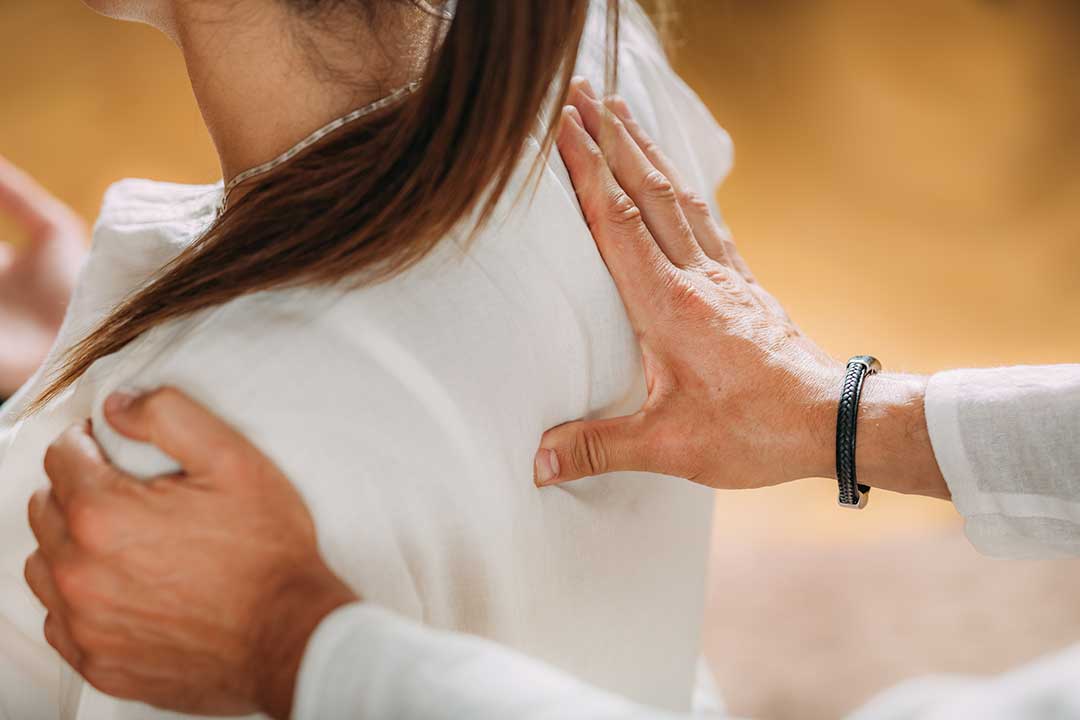
These are considered typical as the technique encourages circulation and tissue repair. Severe pain, extensive bruising, or unusual symptoms are rare and should be discussed with a healthcare provider.
How Is the Graston Technique Different From Massage or Ultrasound Therapy?
While massage also targets muscles and soft tissues, it generally uses the hands and focuses on broader muscle relaxation. The Graston Technique is more precise, leveraging metal tools to locate and specifically target problem areas.
Ultrasound therapy, another local option, uses sound waves to stimulate tissues instead of manual pressure. This can be useful for deep tissue healing but doesn’t mechanically break down scar tissue in the same direct way.
When Should Residents Consider This Approach?
This method may be considered by those who have tried conventional therapies such as stretching, foam rolling, or regular massage but still deal with chronic pain, reduced mobility, or persistent soft tissue tightness. Area residents recovering from sports injuries, repetitive motion strain, or surgical scars may benefit from an informed discussion about whether this approach could complement their recovery plan.
Common Misconceptions About the Graston Technique
Some believe that the Graston Technique is painful or only for athletes, but many individuals of all ages and activity levels have found it supportive, especially when integrated into a balanced treatment plan. Others may expect overnight results, but progress is often gradual and requires ongoing effort, including self-care and movement.
Practical Tips for Local Households Considering Soft Tissue Therapy
Before exploring the Graston Technique, local residents can take these steps to prepare or support long-term relief:
- Keep a journal of symptoms and how they respond to daily activities.
- Pair any manual therapy with consistent stretching or ergonomic changes around the home or workplace.
- Communicate openly about comfort levels and any health changes to ensure therapy is tailored safely.
This locally relevant, patient-focused approach can help community members make informed decisions about their musculoskeletal health.
