
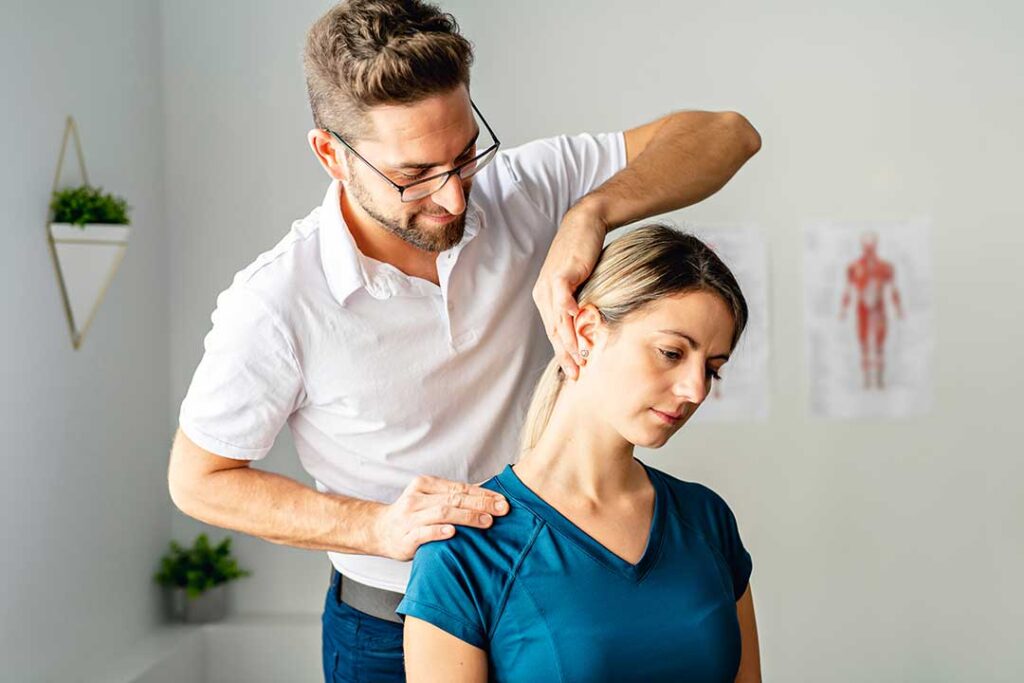
Can Chiropractic Adjustments Provide Relief for PMS Symptoms?
Some residents in Glen Cove, NY ask whether chiropractic care can help reduce premenstrual syndrome (PMS) symptoms. Scientific research on this topic is still limited, but some individuals in the community do report benefits, especially around pain management, stress, and overall well-being.
What Is PMS and Why Does It Affect So Many?
PMS describes a range of symptoms that many people experience one to two weeks before their period. The symptoms—physical, emotional, and behavioral—can vary in severity and may include:
- Abdominal cramps
- Lower back pain
- Headaches
- Mood swings or irritability
- Sleep problems
- Fatigue
Factors like stress, lifestyle, and existing health issues can increase how strongly these symptoms are felt. In Glen Cove and similar communities, the changing weather and distinct seasons can also influence comfort and activity levels, sometimes making aches and pains more noticeable, particularly during the colder months.
How Might Chiropractic Adjustments Affect PMS Symptoms?
Direct scientific evidence specifically linking chiropractic adjustments and overall PMS symptom reduction is limited, but research does show that spinal manipulation is helpful for some common PMS complaints—especially lower back discomfort and certain types of headaches.
Chiropractic adjustments aim to improve spinal alignment and influence how the nervous system communicates with the body. Since PMS symptoms may be impacted by stress, muscle tension, and spinal or pelvic misalignments, some people experience relief after adjustments. Common areas targeted include the lower back and pelvis, where cramping or discomfort often occurs.
Residents describe subjective benefits such as:
- Reduced severity and frequency of lower back pain
- Decreased muscle tension in the lower back and pelvic areas
- Improved sleep quality due to less physical discomfort
What Does the Research Say?
Overall, evidence remains mixed and mostly focuses on common PMS-related pain, not the entire spectrum of PMS symptoms. Relief varies from person to person.
Studies on chiropractic adjustments and menstrual-cycle-related pain have shown the following broad trends:
- Some research supports the idea that improving spinal movement can reduce low back pain before and during menstruation.
- A few studies showed possible benefits for headaches thought to be related to hormonal fluctuations.
- However, there is no strong clinical consensus that spinal adjustments address emotional or behavioral PMS symptoms such as irritability, bloating, or mood swings.
Most health authorities do not list chiropractic care as a primary intervention for PMS, but it is considered a drug-free way to manage certain types of related pain.
What Can Residents Expect During an Adjustment for PMS Symptoms?
A typical chiropractic visit begins with a discussion of symptoms, including menstrual cycle history, location of pain, and overall lifestyle. In Glen Cove, local chiropractors may also consider how the changing seasons and commuting patterns affect outdoor activity, which can influence physical stress or tension in the body.
If physical misalignments or muscle tightness are detected, gentle spinal adjustments or soft-tissue therapies may be offered, often focusing on the lumbar and pelvic regions. Some individuals also receive recommendations for:
- Stretches and gentle exercises tailored to their activity level and home environment
- Posture or ergonomic adjustments, especially for those who work long hours at a desk or commute frequently
- Lifestyle modifications involving heat packs, hydration, or relaxation techniques, especially during colder months when symptoms can feel more severe
People who track their menstrual cycle sometimes notice a regular pattern of discomfort that responds to hands-on therapy, while others find little change.
Are Chiropractic Adjustments Safe for Managing PMS Symptoms?
For most adults in Glen Cove who do not have underlying spinal or bone conditions, chiropractic adjustments for PMS-related pain are considered low risk, especially when performed by an experienced professional. Common side effects are usually mild and short-lived, such as temporary soreness. Severe complications are rare.
Caution is needed for those with:
- Unexplained pelvic pain or heavy abnormal bleeding (these need medical diagnosis first)
- Existing bone diseases or fractures
- Neurological symptoms unrelated to PMS
It is also recommended to discuss all symptoms openly with all healthcare providers to ensure coordinated care.
What Other Home Strategies May Help in Glen Cove?
Chiropractic adjustments are just one of several strategies local residents use to manage PMS symptoms. Some additional approaches that often complement hands-on care include:
- Gentle walking or moderate physical activity along local trails, especially when weather allows
- Stretching routines or yoga, which can be done at home during colder months
- Applying warm compresses to the lower back or abdomen
- Monitoring sleep patterns and practicing good sleep hygiene
- Limiting caffeine and salty foods, particularly during the days leading up to a period
Mild to moderate PMS symptoms tend to improve with a combination of movement, warmth, relaxation, and attention to nutrition. Severe, disruptive symptoms may indicate a need for broader medical evaluation to rule out other conditions.
Common Misconceptions About Chiropractic and PMS
A few misunderstandings sometimes arise around this topic:
- Chiropractic care is not a cure for PMS but may help manage certain symptoms.
- Not everyone experiences pain relief—individual results can vary widely.
- Adjustments do not address hormonal imbalances, which are a primary underlying cause of PMS.
Seeking balanced information and keeping realistic expectations can help area households make informed choices about their health.
