
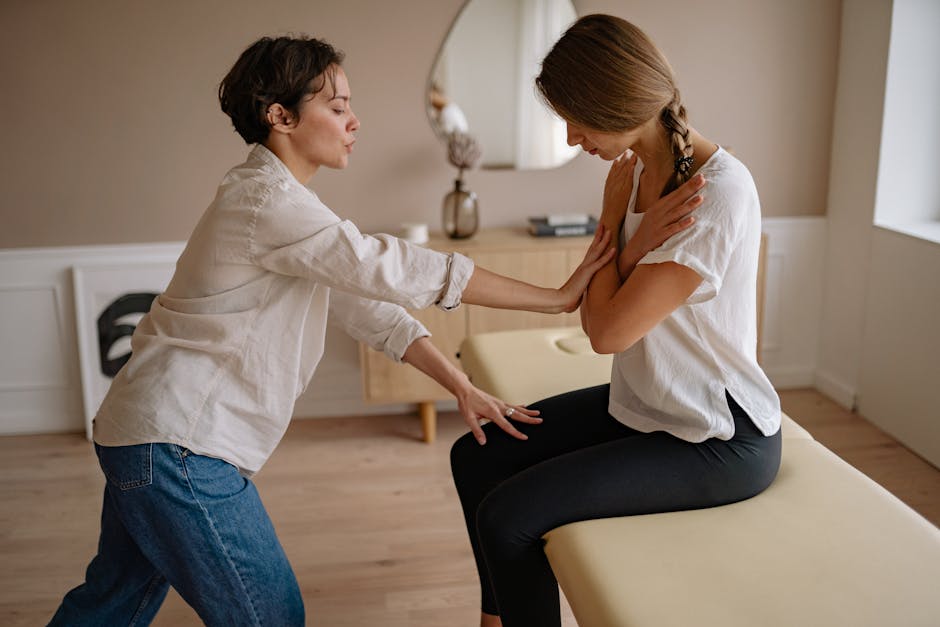
Living in Glen Cove, New York, means enjoying coastal walks, vibrant community events, and an active lifestyle. However, with all that activity comes the potential for common health concerns—nerve compression being among the most overlooked. Recognizing the early warning signs of nerve compression can make all the difference in maintaining your health and staying engaged in your favorite activities, from hiking trails at Garvies Point Preserve to afternoon strolls in Morgan Park. In this article, we’ll discuss what nerve compression is, its early warning signs, and how you can respond to keep living life to the fullest in Glen Cove.
What Is Nerve Compression?
Nerve compression, often referred to as a pinched nerve, occurs when surrounding tissues—such as bones, cartilage, muscles, or tendons—put excess pressure on a nerve. This can result from repetitive movement, injury, poor posture, or even degenerative conditions that are common as we age. In Glen Cove, lifestyle factors like gardening, sports, boating, or even commuting into the city can all contribute to pinched nerves, especially if proper ergonomics and self-care are neglected.
Early Warning Signs to Watch For
Early detection of nerve compression greatly increases the chances for conservative, non-invasive treatments to be effective. Here are some of the warning signs you should never ignore:
- Numbness or Reduced Sensation
If you notice patches of numbness in your arms, hands, legs, or feet—especially after sleeping, exercise, or long periods of sitting—this could be a sign of nerve compression. Residents who spend significant time driving to and from Glen Cove or sitting at a desk often report these sensations.
- Tingling or “Pins and Needles” Sensations
A persistent tingling, often described as “pins and needles,” that doesn't resolve quickly after shifting positions, is a classic early indicator. For those frequently using smartphones, computers, or gardening tools, this sensation may be more prevalent in the hands and fingers.
- Localized Weakness
If you find difficulty gripping objects, lifting everyday items, or maintaining balance without a clear reason, it may signal a compressed nerve affecting muscle strength. Subtle weakness during activities like carrying groceries from Stop & Shop or participating in local tennis matches should be taken seriously.
- Unexplained Pain or Discomfort
Pain caused by nerve compression can range from aching and burning to sharp, electric-like shocks. This pain often radiates from the affected area and may worsen at certain times of day, such as after morning yoga at a local Glen Cove studio or following a walk along Dog Park trails.
- Worsening Symptoms with Specific Activities
Activities involving repeated motions or static postures—like gardening, cycling, or even painting—can aggravate nerve compression symptoms. Pay close attention if you notice tingling or pain that intensifies with these activities.
Why Early Action Matters
Ignoring these signs can result in long-term nerve damage requiring more intensive interventions. In addition to pain and discomfort, chronic compression can lead to permanent loss of sensation or muscle weakness, limiting your ability to enjoy Glen Cove’s active, outdoor-centered lifestyle.
Timely chiropractic evaluation is crucial. Gentle adjustments, therapeutic exercises, and advice on ergonomics can help alleviate pressure on nerves before symptoms worsen. Chiropractors in Glen Cove are familiar with the unique demands of the local lifestyle and can tailor care to your daily activities, whether you're an avid kayaker or frequent gardener.
How Glen Cove Residents Can Minimize Risk
Here are proactive steps to reduce your risk of nerve compression:
- Prioritize Good Posture
Whether working remotely from a Glen Cove café or relaxing at home, maintain ergonomic positions to reduce nerve pressure.
- Take Frequent Breaks
After long stretches of desk work, gardening, or boating, pause to move and stretch your muscles.
- Stay Active—But Mindfully
Incorporate regular physical activity like walking on the Pryibil Beach boardwalk, but avoid repetitive tasks without breaks and proper form.
- Invest in Proper Equipment
Use appropriate footwear for local trails, supportive chairs for home offices, and ergonomic tools for yard work.
- Don’t Ignore Emerging Symptoms
If you notice any warning signs, schedule an evaluation with a healthcare professional familiar with neuromusculoskeletal care—preferably one who understands the Glen Cove lifestyle.
When to Seek Professional Help
If early warning signs persist for more than a few days or interfere with your ability to perform daily tasks, it’s time to consult a healthcare provider. Chiropractic care is especially valuable for early, non-invasive management. Your chiropractor can identify underlying causes and develop a care plan that supports both healing and prevention.
Remember, the quicker you respond to symptoms, the more likely you’ll avoid complications and maintain the ability to participate in all the community activities and natural beauty Glen Cove has to offer.
Conclusion
Nerve compression can be subtle, but with attentive self-care and a proactive approach, it doesn’t have to derail your Glen Cove lifestyle. Stay alert to early warning signs like numbness, tingling, weakness, and pain—especially in the context of local habits and activities. Early recognition and action can help keep you pain-free and active, ensuring you don’t miss out on everything our beautiful community has to offer.
If you have concerns about nerve compression, seek a professional evaluation sooner rather than later. A healthy, energized lifestyle in Glen Cove starts with attention to the body’s signals—don’t ignore them.
